
Modern communication systems depend on stable network connections to support applications such as security monitoring, industrial automation, smart buildings, and data transmission. However, Ethernet networks are often exposed to electrical risks, especially when cables are installed outdoors or across long distances.
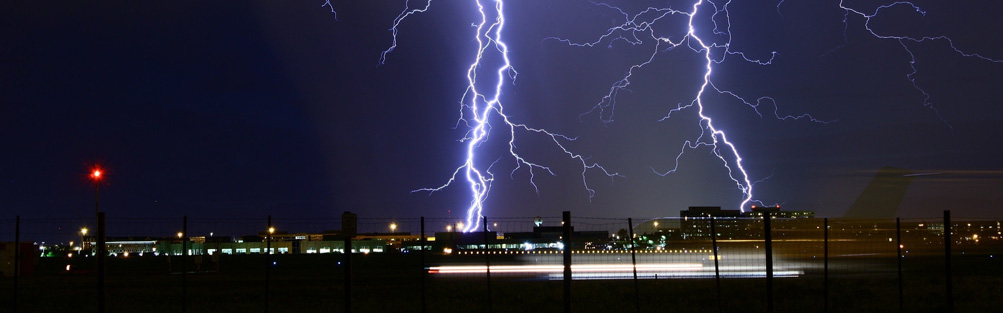
Lightning strikes, voltage fluctuations, and transient surges can enter network systems through communication lines, potentially damaging switches, routers, cameras, and other sensitive equipment. Installing suitable protection devices helps reduce these risks and improves overall system reliability.
An Ethernet lightning arrester is designed to protect Ethernet communication networks from surge damage while maintaining normal data transmission performance. It has become an important solution for commercial, industrial, and telecommunications applications where network continuity is critical.
An Ethernet lightning arrester is a surge protection device used to protect Ethernet cables and connected network equipment from excessive transient voltage.
Unlike standard power surge protectors, Ethernet protection devices are designed specifically for communication systems. They must not only limit surge energy but also maintain signal quality to ensure stable data transmission.
Ethernet cables can become a pathway for surge currents when exposed to lightning events or electrical disturbances. For example, outdoor IP cameras, wireless access points, and industrial communication equipment often use long cable connections that increase exposure to external surge sources.
By controlling excessive voltage and safely redirecting surge energy to the grounding system, Ethernet lightning arresters help protect devices such as:
Network switches and routers
IP surveillance cameras
Industrial Ethernet equipment
Communication terminals
Outdoor network devices
For modern network infrastructure, surge protection is not only about preventing hardware damage but also about reducing downtime and improving operational stability.
As more industries adopt connected devices and digital communication systems, the reliability of network infrastructure has become increasingly important.
Communication cables are vulnerable because they often extend beyond protected indoor environments. A lightning strike near a building, outdoor cable route, or communication tower can generate transient voltage that enters the network system.
There are several common causes of surge-related network damage:
Lightning-induced voltage: Nearby lightning strikes can create electromagnetic effects that generate high transient voltages in Ethernet cables.
Electrical disturbances: Switching operations, power system fluctuations, and industrial equipment can also create temporary voltage spikes.
Outdoor exposure: Network devices installed outside face greater risks due to weather conditions and longer cable distances.
Without proper protection, these events may cause equipment failure, communication interruption, and increased maintenance costs. This is especially important for systems such as CCTV networks, industrial control systems, and telecommunications infrastructure where continuous operation is required.
An Ethernet protection device reduces surge risks through several important protection stages.
The device continuously monitors the Ethernet line and identifies abnormal voltage increases caused by lightning or transient events. When a surge is detected, the protection components activate quickly to prevent excessive energy from reaching connected equipment.
Once a surge occurs, the protection device provides a safe path for excess electrical energy. The surge current is redirected through the grounding system, reducing the impact on network devices.
After the surge energy is discharged, the remaining voltage is limited to a safer level. This allows the network to continue operating while reducing stress on sensitive electronic components.
A well-designed Ethernet surge protection solution should provide strong protection without affecting normal communication speed or signal transmission quality.
| Feature | Ethernet Lightning Arrester | PoE Surge Arrester |
|---|---|---|
| Main use | Network protection | PoE devices |
| Application | Data communication | Cameras and access points |
| Protection target | Ethernet lines | Power + data lines |
Although Ethernet lightning arresters and PoE protection devices are closely related, they serve slightly different purposes.
An Ethernet lightning arrester mainly focuses on protecting data communication lines, while a PoE surge arrester is designed for Power over Ethernet systems. Since PoE devices transmit both electrical power and network signals through the same cable, they require protection that can handle both transmission paths.
For example, outdoor surveillance cameras commonly use PoE technology. In these situations, additional surge protection can help reduce the risk of damage caused by lightning or electrical disturbances.
Surge protection technology is widely used in environments where reliable communication is essential.
Common applications include:
CCTV systems: Security cameras installed outdoors are exposed to lightning and weather-related risks. Surge protection helps protect cameras, network switches, and recording systems.
Industrial networks: Manufacturing facilities often rely on Ethernet communication for automation and monitoring. Protection devices improve system stability in complex electrical environments.
Telecommunication systems: Communication infrastructure requires consistent signal transmission. A suitable telecommunications surge arrester helps protect equipment from transient voltage events.
These solutions are also used in smart buildings, transportation systems, renewable energy installations, and outdoor communication networks.
When selecting protection equipment, users should consider factors such as cable length, installation environment, network speed requirements, and grounding conditions.
Choosing the correct protection device requires matching the product with the specific application.
Important selection factors include:
Network compatibility: The device should support the required Ethernet communication standards and data speeds.
Protection level: Different environments require different surge handling capabilities.
Installation location: Outdoor systems and cable entry points usually require stronger protection.
Grounding system: Proper grounding is essential for effective surge discharge.
A suitable protection solution should provide reliable protection while maintaining communication performance.
Techwin provides professional surge protection solutions designed for communication systems, industrial networks, and critical electronic applications.
The company offers products for Ethernet protection, PoE applications, and telecommunications environments, helping customers reduce the risks associated with lightning and transient voltage events.
With reliable protection performance and application-focused designs, Techwin supports customers in building safer and more stable communication infrastructure. Whether used for CCTV systems, industrial networks, or outdoor communication equipment, selecting the right surge protection product can significantly improve long-term system reliability.
Yes. Lightning-induced surges can travel through Ethernet cables and damage connected network equipment without proper protection.
It is commonly installed near protected equipment or at cable entry points where surge exposure is higher.
Yes. Because PoE systems transmit both power and data, a dedicated PoE surge arrester can provide additional protection for cameras, access points, and similar devices.
The service life depends on surge frequency, installation conditions, and product quality. Regular inspection helps maintain protection performance.
A properly designed Ethernet arrester should protect equipment while maintaining normal communication performance.
Many telecom protection products are designed for outdoor applications, but the selected model should match environmental requirements.
Ethernet networks play an essential role in modern communication and industrial systems, but they are vulnerable to lightning and electrical surge damage. An Ethernet lightning arrester provides an effective way to protect network equipment, improve system reliability, and reduce unexpected downtime.
By selecting protection products based on application requirements, installation conditions, and equipment characteristics, businesses can build more stable communication networks. Techwin’s surge protection solutions help support safer and more reliable network infrastructure across different industries.
 The Difference Between Surge Protector and Miniature Circuit BreakerJune 20, 20221. Surge protectorSurge protector, also known as lightning protector, is a protection device designed to prevent various electronic equipment, instruments, and communication lines from being subjected...viewWhere to install surge protectors in a solar power systemMarch 14, 2023viewSurge Protector Safety TipsFebruary 29, 2024When it comes to protecting your electronics from harmful power surges, surge protectors are an essential tool. These devices help regulate the flow of electricity to your devices, preventing damage f...viewDetailed Explanation of Tiered Surge Protection for Distribution BoxesAugust 11, 2025In lightning protection, the surge protection device in distribution boxes plays a crucial role. According to the principle of graded lightning protection, and based on the likelihood of a building be...viewUnderstanding Your Needs: A Guide to Selecting the Perfect Surge ProtectorMarch 1, 2024In an era dominated by electronic devices, protecting them from power surges is crucial. A surge protector acts as a guardian, shielding your valuable equipment from sudden voltage spikes. However, no...viewThe IEC standards of SPDAugust 11, 2023IEC standards refer to the International Electrotechnical Commission standards, which are globally recognized and accepted guidelines for electrical and electronic devices. Spd stands for Surge Protec...view
 EN
 jp
 ko
 fr
 de
 es
 it
 ru
 pt
 ar
 vi
 th
 ro
 bg
 nl