
As solar energy systems continue to expand in residential, commercial and utility-scale applications, protecting photovoltaic equipment from electrical disturbances has become increasingly important. Solar panels, inverters and monitoring systems are often installed in outdoor environments where they are exposed to lightning activity, voltage fluctuations and transient surges.
Unlike traditional electrical systems, PV installations contain long DC cable routes that can increase the risk of surge transmission. A properly selected surge protection solution helps reduce equipment damage, improve system reliability and extend the service life of critical components.
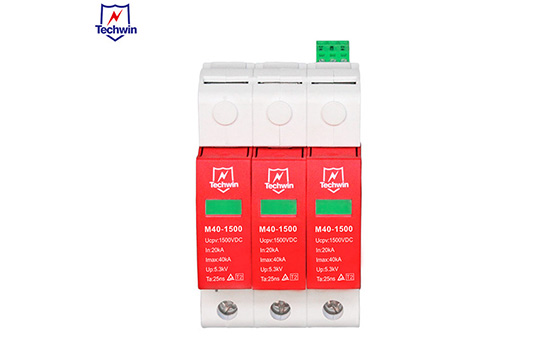
A suitable spd dc solar solution is designed specifically for photovoltaic applications, helping protect DC circuits, solar panels and inverter systems from surge-related failures.
Solar power systems are continuously exposed to environmental conditions that may create electrical risks. Because photovoltaic panels are typically installed on rooftops, open fields or large solar farms, they are more vulnerable to lightning-induced surges.
A lightning strike does not always need to directly hit a solar panel to cause damage. Nearby strikes can generate electromagnetic fields that create transient overvoltage in PV cables and connected equipment.
Several factors make solar systems particularly sensitive to surge events:
Long cable distances: Large PV installations often use extended DC wiring, which can increase the possibility of induced surge voltage.
Outdoor exposure: Solar panels and electrical components operate in environments affected by weather changes and lightning conditions.
Sensitive inverter electronics: Solar inverters contain advanced electronic components that require stable voltage conditions.
Without suitable protection, surge events may damage PV modules, inverters, monitoring equipment and other electrical components. Installing the correct surge protection device is an important part of building a safe and reliable solar energy system.
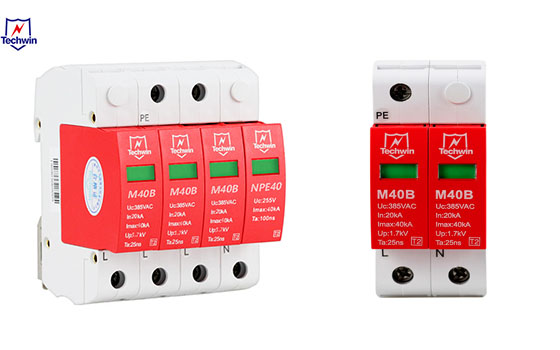
A solar surge protection device (SPD) is an electrical protection component designed to limit transient overvoltage in photovoltaic systems.
An spd dc solar device is mainly installed on the DC side of PV systems, where it protects the connection between solar panels and inverters. When excessive voltage appears, the SPD quickly responds and directs surge energy away from sensitive equipment.
A typical solar SPD system may include protection at different points:
DC side protection between solar panels and inverter
AC side protection after the inverter connection
Additional protection for monitoring and communication equipment
By controlling abnormal voltage levels, solar SPDs help reduce the risk of equipment failure caused by lightning and switching surges.
Solar SPDs work by detecting sudden voltage increases and providing a safe discharge path for excessive electrical energy.
The protection process usually involves several stages:
When a transient voltage exceeds the normal operating range, the SPD detects the abnormal electrical condition and activates its internal protection components.
The device redirects surge current through a grounding system, preventing a large amount of energy from reaching connected equipment.
After discharge, the SPD limits the remaining voltage to a safer level, reducing stress on PV components.
Inverter protection is especially important because inverters are among the most expensive and sensitive parts of a solar system. A properly installed surge protector for solar inverter helps reduce damage risks caused by lightning-related surges and electrical disturbances.
| SPD Type | Installation Location | Function |
|---|---|---|
| DC SPD | PV DC side | Protect solar panels |
| AC SPD | AC distribution side | Protect electrical system |
| Combined SPD | Complete system | Multi-point protection |
Different solar installations may require different SPD configurations depending on system size, design and protection requirements.
For example, a large solar farm may require multiple protection points across DC and AC circuits, while smaller PV systems may use a more compact protection arrangement.
Selecting the correct SPD requires understanding the electrical characteristics and protection requirements of the PV system.
Important factors include:
Voltage level: The SPD voltage rating should match the operating voltage of the solar system to ensure effective protection.
System configuration: Different PV designs may require DC-side, AC-side or combined protection solutions.
Protection class: The selected SPD should provide suitable surge handling capability based on installation conditions and lightning exposure.
Installation environment: Outdoor solar systems in areas with frequent storms may require stronger surge protection performance.
The correct SPD selection helps balance protection performance, system reliability and long-term operating costs.
Techwin provides professional surge protection solutions designed for solar energy systems, industrial applications and electrical infrastructure.
With products developed for photovoltaic protection requirements, Techwin helps customers protect PV panels, inverters and electrical systems from transient voltage damage. Its solutions support reliable operation in applications including solar farms, commercial PV projects and renewable energy installations.
As solar systems become more complex, effective surge protection is essential for maintaining long-term performance. By choosing suitable SPD products and applying proper protection strategies, businesses can reduce equipment risks and improve the reliability of renewable energy systems.
Most solar systems can benefit from SPD protection, especially installations exposed to lightning risks or outdoor environments.
Solar SPDs are commonly installed on the DC side near PV panels and on the AC side near inverter connections, depending on system design.
SPD devices help reduce surge damage caused by lightning-related voltage spikes but cannot completely prevent damage from a direct lightning strike.
Replacement depends on surge exposure, product condition and manufacturer recommendations. Regular inspection is recommended for important PV systems.
The voltage rating should match the PV system operating voltage and installation requirements.
By reducing surge stress on inverter components, an SPD can help improve system reliability and potentially extend inverter service life.
Solar systems require effective protection against lightning surges and transient overvoltage to maintain stable operation. A properly selected spd dc solar solution helps protect PV components, reduce equipment failures and improve the reliability of renewable energy installations.
From solar panels and inverters to complete PV systems, Techwin provides surge protection solutions designed to support safer and more durable solar power applications.
 What Are the Lightning Protection Devices?September 18, 2021The whole set of lightning protection devices can be divided into flash catcher, lead wire, lightning protection and grounding device. Lightning protection device is to prevent the equipment from bein...viewHow to Determine Which Type of Surge Protector to Use for Distribution Box?March 13, 20231、Understanding of Network Surge ProtectorsA surge protector, also known as a lightning arrester, is an electronic device that provides safety protection for various electronic devices, instruments, ...viewThe Surge Protector Will Be Effective 100%?November 28, 2023No surge protector can provide 100% protection against all possible electrical surges or power-related issues. Surge protectors are designed to limit the voltage supplied to an electrical device by ei...viewUnderstanding the Function and Installation Method of Surge Protection BoxJuly 3, 2024As computer networks become increasingly integrated into people's lives and work, heralding the advent of the digital and information era, the importance of data center rooms and lightning protect...viewWhy Should Lightning Protection Systems Be Grounded?October 25, 2021We assume most people have a basic understanding of lighting protection system grounding, however, you may not be clear about why we have to use the lightning protection system grounding in the lighti...viewBenefits of Using Lightning Protection DevicesMarch 1, 2024In today's fast-paced world, where technology reigns supreme, the importance of protecting our electronic devices from potential damage caused by lightning strikes cannot be understated. This is w...view
 EN
 jp
 ko
 fr
 de
 es
 it
 ru
 pt
 ar
 vi
 th
 ro
 bg
 nl