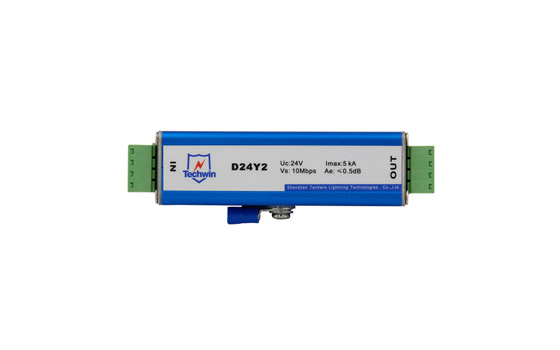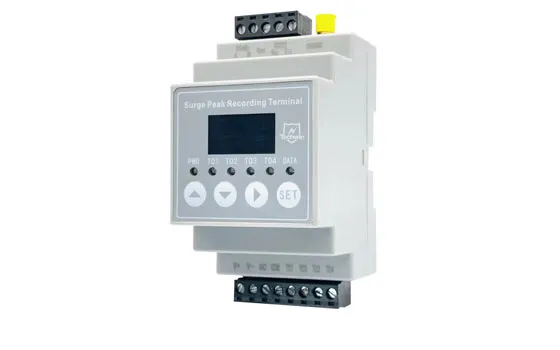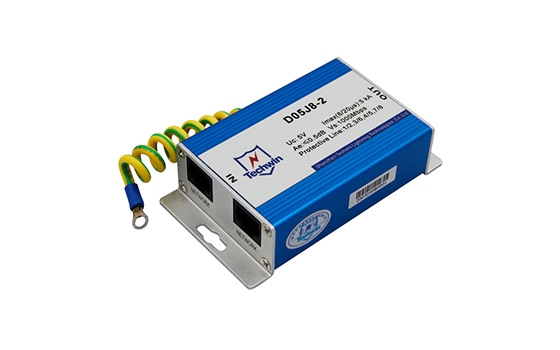

Modern electrical systems contain a large number of sensitive devices, including industrial controllers, communication equipment, renewable energy systems and electronic terminals. These devices can be damaged by transient voltage surges caused by lightning strikes, switching operations or grid disturbances. Installing a surge protection device (SPD) is one of the most effective ways to reduce these risks and improve system reliability.
However, proper installation is essential. An incorrectly installed SPD may not provide sufficient protection, even if the device itself has excellent performance. Understanding the installation process, protection principles and common mistakes helps engineers and facility managers build safer electrical systems.
A surge protection device is an electrical protection component designed to limit excessive transient voltages and safely discharge surge currents away from connected equipment.
Electrical surges are short-duration voltage increases that can occur when lightning strikes nearby areas, power networks switch loads, or electrical faults happen. Although these events usually last only microseconds, their high energy levels can damage circuit boards, power supplies and communication components.
The surge protection device working principle is based on detecting abnormal voltage levels and creating a low-impedance path to redirect excess current. When the voltage remains within a normal range, the SPD stays inactive. During a surge event, the protection element activates and helps prevent the surge from reaching downstream equipment.
Depending on the application, SPDs are commonly divided into different categories:
Type 1 SPD: Used at the service entrance for high-energy lightning current protection.
Type 2 SPD: Installed in distribution panels for general electrical protection.
Type 3 SPD: Used near sensitive terminal equipment for additional protection.
For buildings, industrial facilities and renewable energy systems, selecting the correct SPD type is an important step in creating an effective protection system.
The operation of an SPD involves several key protection processes.
The SPD continuously monitors the electrical system voltage. When a sudden increase exceeds the designed protection level, the device quickly identifies the abnormal condition.
After detecting a surge, the SPD reduces the excessive voltage by using internal protection components such as metal oxide varistors (MOVs). This prevents high voltage from directly reaching connected equipment.
The surge energy is redirected through the grounding path, allowing the excessive current to safely leave the electrical system.
This fast response is why surge protection devices are widely used for lightning protection, industrial automation systems, data networks and renewable energy applications.
Knowing how to install surge protection device correctly is essential for achieving the expected protection performance. Although installation methods vary depending on the system design, the general process includes several important steps.
Before installation, confirm the system voltage, grounding method and electrical configuration. The SPD rating must match the application requirements.
The installation location determines the required protection level. For example, a main distribution board may require a Type 1 or Type 2 SPD, while sensitive electronic equipment may need additional Type 3 protection.
SPDs should generally be installed as close as possible to the equipment or distribution point they are protecting. Long connection wires can reduce protection effectiveness because surge energy travels extremely quickly.
Proper grounding is one of the most important factors affecting SPD performance. The grounding conductor should be correctly connected with minimal length and suitable wiring methods.
After installation, technicians should check wiring connections, indicator status and system operation to ensure the SPD is functioning correctly.
For specialized applications such as industrial facilities or solar power systems, professional evaluation is recommended to ensure the protection design meets safety requirements.
| Type | Application | Protection Level |
|---|---|---|
| Type 1 SPD | External lightning protection | High surge capacity |
| Type 2 SPD | Distribution panels | General protection |
| Type 3 SPD | Terminal equipment | Fine protection |
Different SPD types are not interchangeable. A complete protection system often requires multiple protection stages to defend electrical equipment from different levels of surge threats.
Even high-quality SPDs may fail to provide effective protection if installation problems occur. Several common mistakes should be avoided.
Grounding provides the discharge path for surge current. Poor grounding connections, excessive wire length or improper grounding methods can significantly reduce SPD performance.
Choosing an SPD without considering voltage level, surge capacity and application environment may result in insufficient protection.
Installing an SPD too far away from the protected equipment can increase residual voltage and reduce protection effectiveness.
In addition, environmental conditions such as humidity, temperature changes and outdoor exposure should also be considered when selecting a suitable surge protection device for lightning and industrial applications.
Techwin provides reliable surge protection solutions designed for industrial, commercial and renewable energy applications.
With experience in SPD technology, Techwin offers protection products suitable for power systems, communication networks, solar applications and other critical electrical environments. The company focuses on product reliability, protection performance and solutions that help customers improve electrical system safety.
Whether protecting distribution equipment, industrial automation systems or renewable energy installations, selecting the right SPD and applying correct installation methods are essential for long-term performance.
SPD inspection frequency depends on the application environment and operating conditions. Regular checks can help identify aging or damaged protection components.
A single SPD may not provide complete protection for all equipment. Large buildings often require coordinated protection at different electrical levels.
After repeated surge events, SPD components may degrade. Many devices include status indicators to show whether replacement is needed.
Yes. Because SPD installation involves electrical connections and grounding requirements, qualified professionals should perform installation work.
Proper grounding is essential for most SPD applications because it provides the discharge path for surge energy.
Temperature, humidity, dust and outdoor exposure can influence SPD service life, so the device should be selected according to the installation environment.
A surge protection device plays an important role in protecting electrical systems from transient voltage damage. Understanding the surge protection device working principle, selecting the correct SPD type and following proper installation procedures can significantly improve system safety and reliability.
For industrial, commercial and renewable energy projects, working with an experienced SPD supplier such as Techwin helps ensure that protection solutions are properly matched to application requirements.
 The Surge Protector Will Be Effective 100%?November 28, 2023No surge protector can provide 100% protection against all possible electrical surges or power-related issues. Surge protectors are designed to limit the voltage supplied to an electrical device by ei...viewIntroduction to Signal Surge Protector and Its Lightning Protection FunctionMarch 4, 2022A signal surge protector is a type of surge protection devices that is linked in series on a signal line to reduce transient over-voltages and deflect surge currents away from the signal line. Signal ...viewWhat is a POE Network Lightning Arrester?March 13, 2023POE network lightning arresters (POE network surge protector, Ethernet power supply surge protector) is designed and manufactured in accordance with IEC and GB standards and meets the requirements of ...viewThe Relationship Between Up and in in Surge Protector (SPD)July 8, 2022Shenzhen Techwin Lightning Technologies Co., Ltd has independently successfully developed a series of products: SPD surge protector, power surge protector, power surge protector, signal surge protecto...viewPhotovoltaic Power Generation Systems and Lightning Protection Measures for Photovoltaic SPDJune 26, 2024Since the main components of the solar photovoltaic power generation system are outdoors, they are prone to lightning strikes or high-voltage surge induction, causing equipment damage. This article wi...viewDo Commercial Buildings Need Surge Protection Devices for Lightning?June 26, 2024In the fast-paced modern world, electronic devices are the cornerstone of both businesses and homes for enhancing efficiency and connectivity. From smart appliances to complex industrial installations...view
 EN
 jp
 ko
 fr
 de
 es
 it
 ru
 pt
 ar
 vi
 th
 ro
 bg
 nl