
Lightning and surges damage equipment mainly through three destructive effects: overvoltage breakdown, overheating from excessive current, and magnetic induction damage. Here’s a clear, concise explanation:
Normal power lines carry a fixed voltage (e.g., 220V, 380V, 110V). A surge is a very short, extremely high voltage spike — often thousands to millions of volts — caused by:
Direct or nearby lightning strike
Switching large electrical equipment
Power grid faults
This voltage is far beyond what electronic circuits can withstand.
① Overvoltage breaks down insulation & semiconductors
Electronic components (chips, diodes, transistors, ICs) have very thin insulation layers.
High surge voltage punches holes in insulation → short circuit inside the component.
Result: chip burnout, motherboard failure, power supply damage.
② Huge current causes overheating & melting
Lightning induces massive current in wires.
Current flows through tiny wires, PCB traces, and components.
Joule heating:
P=I2R— high current creates extreme heat instantly.
Result: Wires / PCB traces melt or vaporize
Components explode, burn, or turn black
③ Electromagnetic induction destroys distant equipment
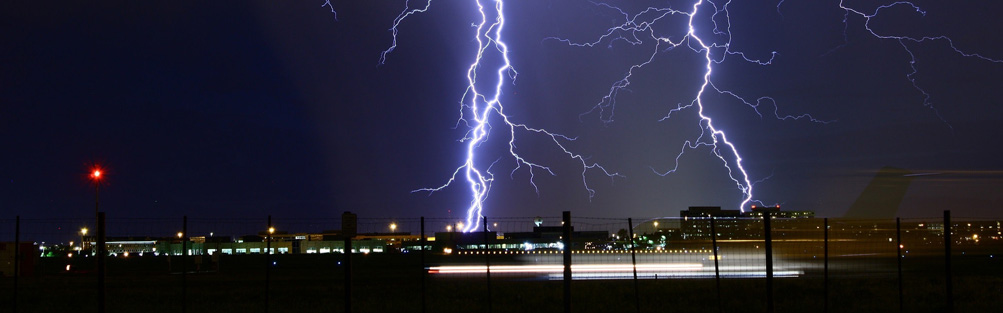
Lightning does not need to hit the device directly.
It creates a fast-changing strong magnetic field.
This induces high voltage in nearby cables (power, network, telephone, CCTV).
The induced surge travels along the wire into equipment and damages it.
④ Arc & spark damage
High voltage can jump across gaps (between pins, connectors, terminals).
Creates an electric arc → high temperature → burns circuit boards, plastic, connectors.
Power supplies, adapters
Computers, servers, monitors
Routers, switches, network cards
TVs, audio, home appliances
Industrial controllers, PLCs, sensors
Security cameras, DVRs
All have sensitive integrated circuits that cannot survive high voltage spikes.
Lightning and surges destroy equipment by forcing abnormally high voltage into circuits, breaking insulation, creating destructive current, overheating components, melting wires, and burning chips — often in microseconds.
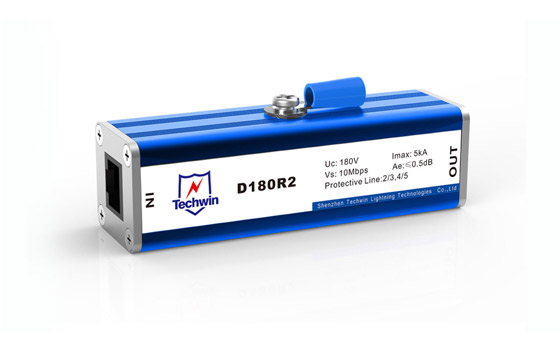
Because lightning and surge damage happens in microseconds, prevention—not repair—is the only effective strategy. The most widely used protection method is installing the surge protection device (SPD) at different points in the electrical and signal system.
SPDs work by safely diverting excessive voltage and current to the ground before it reaches sensitive equipment, effectively blocking the destructive effects explained above.
Power Supply Protection (Against Overvoltage and Overcurrent)
SPDs employed in electrical distribution networks reduce overvoltage and safely discharge surge current, reducing insulation breakdown and thermal damage.
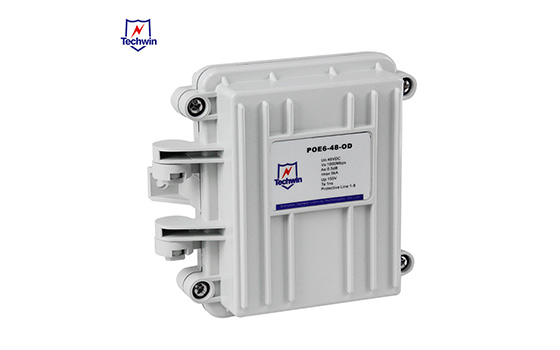
New Energy System Protection (Outdoor Exposure)
Solar and photovoltaic systems are very susceptible to lightning. Specialized SPDs shield inverters, combiner boxes, and DC lines from both direct and generated surges.
Information System Protection (against Induced Surges)
Data connections, such as Ethernet, can transmit surge energy to sensitive equipment. Signal SPDs filter out transient voltages before they reach servers and network devices.
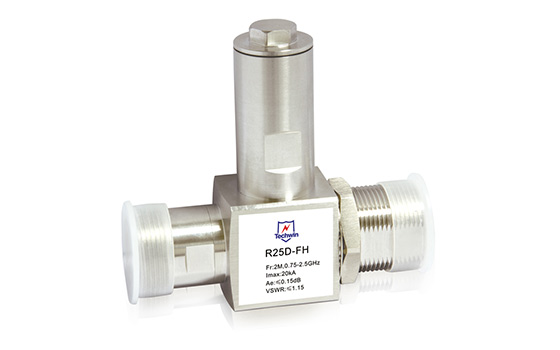
Telecommunications and Antenna Protection (High-Risk Entry Points)
Communication wires and antennas frequently serve as direct entry points for lightning energy. Dedicated protectors keep surges from spreading into indoor systems.
High-capacity protection for industrial environments.
High-risk applications, such as factories or huge facilities, necessitate surge protection devices with high discharge capacity to handle excessive current levels.
Smart Monitoring for Continuous Protection.
Intelligent monitoring systems give real-time status of SPD performance, which aids in long-term reliability and prompt repair.
 Common Signal Surge Protective Devices and Their Industry ApplicationsOctober 9, 2024What is a Signal Surge Protective DeviceA signal surge protective device is an electronic device that protects instruments, equipment, or systems on the signal line from damage caused by lightning str...viewView of beautiful waterfall in Maluan Mountain in autumnOctober 21, 2022In order to enrich the cultural life of employees, under the organization of the Administration Department, We established "Techwin Outdoor Activities Team" mean to our employees to w...viewThe difference of Type1/Type 1+2 SPD and Type 2 SPDAugust 11, 2023TECHWIN surge protectors offer reliable and efficient protection against power surges and electrical disturbances. Our range of surge protection devices includes Type 1/Type 1+2 and Type 2 SPDs, speci...viewWhat is a POE Network Lightning Arrester?March 13, 2023POE network lightning arresters (POE network surge protector, Ethernet power supply surge protector) is designed and manufactured in accordance with IEC and GB standards and meets the requirements of ...viewHow Important is Installing Camera Signal Surge Protectors?March 13, 2023Network camera lightning protector, network camera lightning protection, camera lightning protector, KAIYUAN network camera, surge protector suitable for AC/DC power supply and network interface monit...viewTerms and definitions of IEC 61643-11: LOW-VOLTAGE SURGE PROTECTIVE DEVICES (2/2)December 8, 2022the professional explanation of main terms of surge protective devicesview
 EN
EN
 jp
jp  ko
ko  fr
fr  de
de  es
es  it
it  ru
ru  pt
pt  ar
ar  vi
vi  th
th  ro
ro  bg
bg  nl
nl